
We draw conclusions from natural language acquisition and begin with verbs, to be, to have, to do, and the verb form will.
Part 1 works verb syntax for the Simple, Progressive, and Perfect, along with the Affirmative, Negative, Interrogative, and Negative Interrogative.
Website under refurbishment.
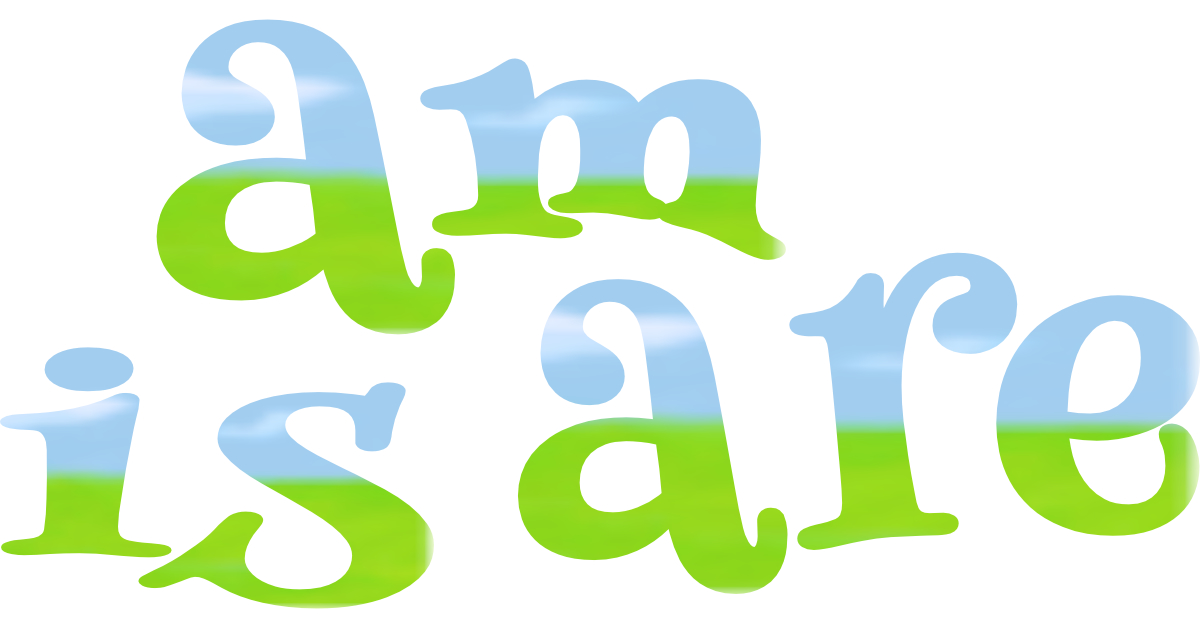
Chapter 1. We can plan on time as in fields
The way we people use language can show some of that human and intellectual skill altogether, of the human inner logic generally — to organize own thought, speech, and writing Grammatical time can work as in fields we name the Past, Present, and Future. ■ More


1.1. Fields of Time: basic practice
We may think about mountains, oceans, or the cosmos as well, because the exercise is to imagine language form in fields generally. Language learning does not need limitation. The simple exercises are to help flexible habits that can work in advanced language skill. ■More

1.2. Mind practice: thinking on purpose
Silent thought is a great friend of language skill. We do not know a language really, if it does not belong with that inner competence. It is with practice that the brain together with mind makes associations for work on language trace features solely. ■More

Chapter 2. The future needs the present
We can predict the future only to an extent, because it all the time takes on form or becomes — in our Present, — and there is always more than one factor to human reality. We can use Present grammatical forms in English to talk about the future, and “will” is one of such words. ■More
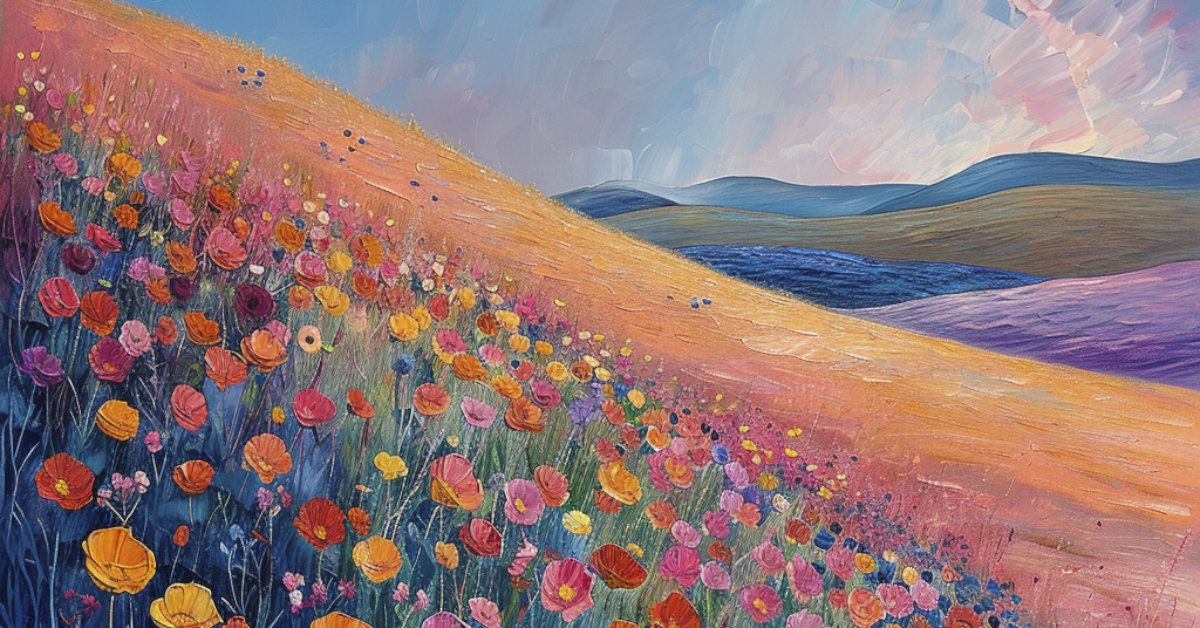
2.1. More words in the Fields
Verbs give us three fields and — three forms of the verb. Forms are not the same as fields. We begin with simple practice on forms first and second, consciously to choose focus on the shape of the verb or the field. We exercises in mind, to strengthen good habits for thought. ■More

Chapter 3. Time is like a river: verb patterns
Everyday language has phrases as a flow of time, a course of events: we people happen to have such impressions about life. Grammatical patterns for words and time may look a lot to think about at first, and this is why we begin with a good glimpse. ■More

3.1. Field and river, the grammatical Aspect
There is no single landscape all people reasonably could be advised always to bear in mind. With life, grammar, and landscapes as well, we need to regard and decide the Aspect on our own. The Latin aspectus meant “a seeing, looking at”. ■More
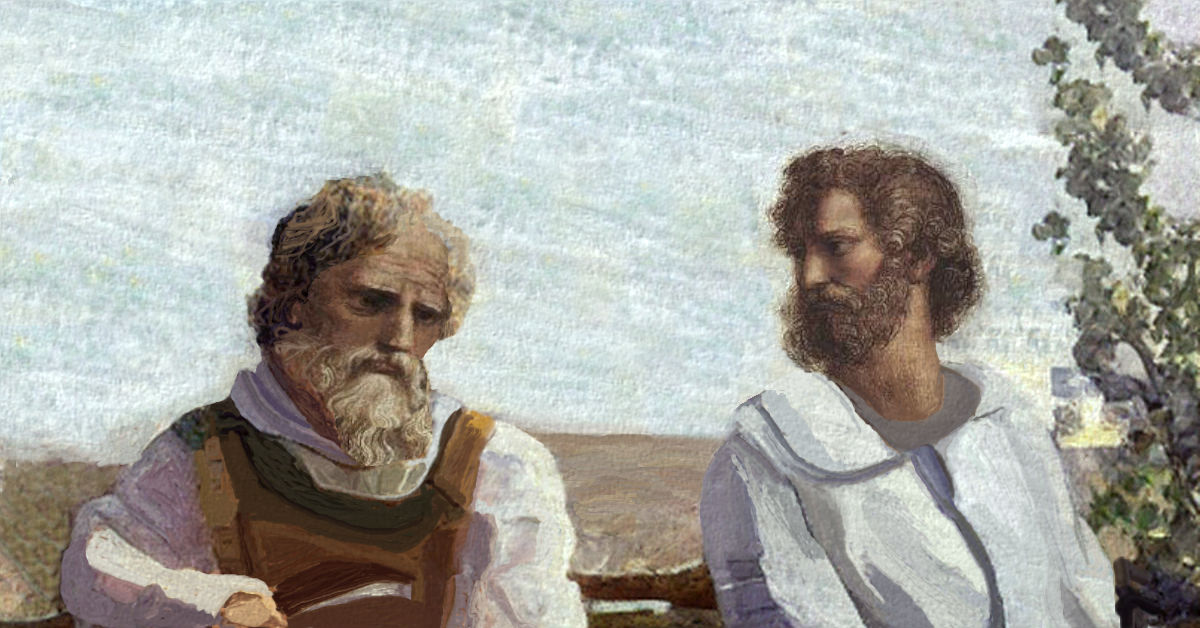
3.2. The person ‘you’
The pronoun ‘you” has evolved into the same shape for the singular and plural in English. The development needs not mean contestation. We people simply each are own self. We couldn’t swap bodies, for example. Imagine Aristotle as he chats with Plato after parachuting. ■More

3.3. The big chart for three persons and paths
It is good to make a big picture, to integrate own ability. We put together the Aspect — the Simple, Progressive, and Perfect — with all personal pronouns, and in all three fields of time, the Future, Present, and Past. This way we know all there is for us to gather, before we take to practice. ■More

3.4. Practice for the shape of time
Metalanguage is the style to talk about language, as about nouns, verbs, or tenses. Most of us know metalanguage from school or individual study; we only may not be used to the specialist term, “meta-language”. To get along at school, we need to be metalinguistic. ■More
■The content is also available in Polish■

Chapter 4. Aspect cognitive variables
Humans naturally build mind perspectives for neighborhoods or vicinity, in familiar settings. Since the very beginning, people have lived in places that allow the horizontal plane: to sit, have meals, sleep; read, write, or paint. Human grammar has evolved on planet Earth. ■More

4.1. The idea of travel in grammar
Language is not a predetermined reality. Beginning to read a book or to watch a movie, we may wonder what there is going to be; somewhere around the middle, we may look back to what has happened, and think about things accomplished at the end. Our thought has grammar. ■More
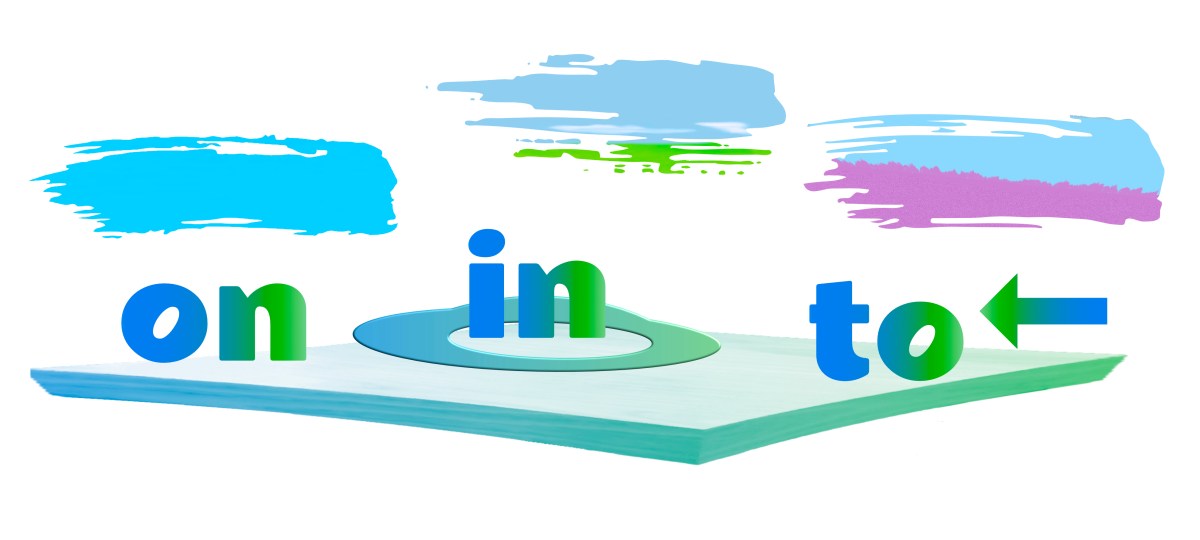
4.2. Practice: mapping the Aspect
Imagination is an ability to envision, to form an image. Without such ability, we would be unable to prefigure on things. We may begin with mind maps for our physical whereabouts, our every day, and our lives, gradually to move from thought about place into that about time. ■More

Appendix 1. Verbs and what they do
Verbs tell activities, faculties, or states, as to think, to work, or to be. They may do this in four Aspects, the Simple, Progressive, Perfect, and Perfect Progressive; intransitive or dynamic, in infinitives or participles — where Modals are exception in much, and yet legitimate verbs of a frame. ■More

Chapter 5. Let us make own paths with time
To make own paths with language and time, we need to decide if we affirm, ask a question, or deny. We may think about something usual as a strawberry, to work the Affirmative, Interrogative, or Negative. Our strawberry is more of a theory at times, as the blue in the Mind Practice. ■More

5.1. The language logic so far
We can reason, the Aspect makes one type of logic, because we cannot be {IN} an area of a cognitive map, without being {ON} a cognitive ground; likewise, we can never work the Past or Future without our Present, but we may prefer to affirm or deny in distinct logic. ■More

5.2. Practice: symbolic cues and real syntax
We exercise the target grammatical time with symbolic cues, gather language patterns from pieces, and then figure on pieces from symbolic cues. All along, we form the answers in our minds solely: this is where thinking habits take shape, for learning to hold. ■More

5.3. Practice: real syntax and more words
We can tell abbreviated “is” from “has” only by their contexts, as both get shortened to ’s. Abbreviated verb forms are much in use in American English. We learn telling them, continuing the practice with symbolic cues, mapping variables, and target grammatical time, plus a few irregular verbs. ■More
Book format in preparation.
In the first part of the language journey, feel welcome to consider a picture for
■ the grammatical Past, Present, and Future;
■ the Simple, Progressive, and Perfect;
■ infinitive, auxiliary, and head verb forms;
■ the Affirmative, Interrogative, Negative, and Negative Interrogative;
■ irregular verbs and vowel patterns: high and low, back and front.
Third edition, 2025.


Grammar bonus
A color code to help read and learn, and simple questions answered: what a verb is, what language form is; irregular verbs, vowels high and low, back and front; patterns for all Aspects, the Simple, Progressive, Perfect, and Perfect Progressive. ■More
We may like to invoke those early, curious years

Grapevine: Only real strawberries count
You might hear you go minus or plus infinity about the number of strawberries, but mind you, the Founders stated you couldn’t owe for strawberries that never existed, or so I guess they would have said in case. Grammar can have infinity too. ■More

Grapevine: The way we have worked
Folks, there is always going to be some psychology that people tackle you with. We have seen it so often, that we’ve come to terms. We only mind if the psychology is something we can like, a Dr. Seuss you know, some essence. ■More
■Click for Part 2
ADVERTISEMENT
Book format in preparation.
In the first part of the language journey, feel welcome to consider a picture for
■ the grammatical Past, Present, and Future;
■ the Simple, Progressive, and Perfect;
■ infinitive, auxiliary, and head verb forms;
■ the Affirmative, Interrogative, Negative, and Negative Interrogative;
■ irregular verbs and vowel patterns: high and low, back and front.
Third edition, 2025.

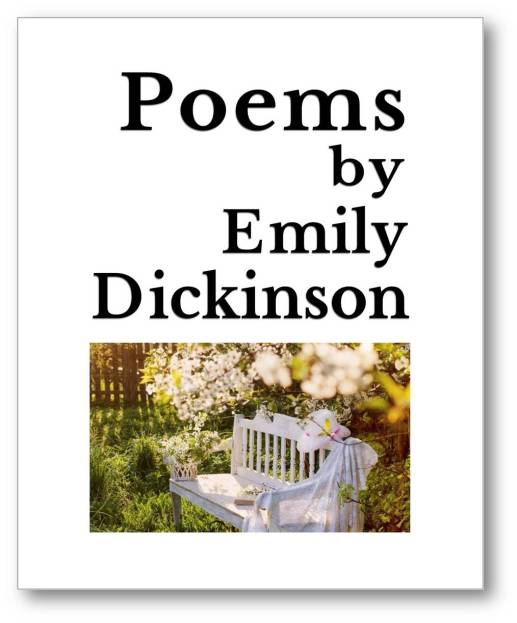
The world may never have seen her original handwriting, if her skill was taken for supernatural. Feel welcome to Poems by Emily Dickinson prepared for print by Teresa Pelka: thematic stanzas, notes on the Greek and Latin inspiration, the correlative with Webster 1828, and the Aristotelian motif, Things perpetual — these are not in time, but in eternity.
■Free access, Internet Archive
■E-pub | NOOK Book | Kindle
■Hard cover, Barnes & Noble | Lulu

Psycholinguistics
Linguistics
& Translation
Knowledge gains with good translation
■Public Domain
Translation. com
American English & Polish

Internet Archive,
the free text and image repository
■Feel welcome to use my free materials■
The posters are available to shop online as well.
 GRAMMAR WEBLOG BY TERESA EVA PELKA